

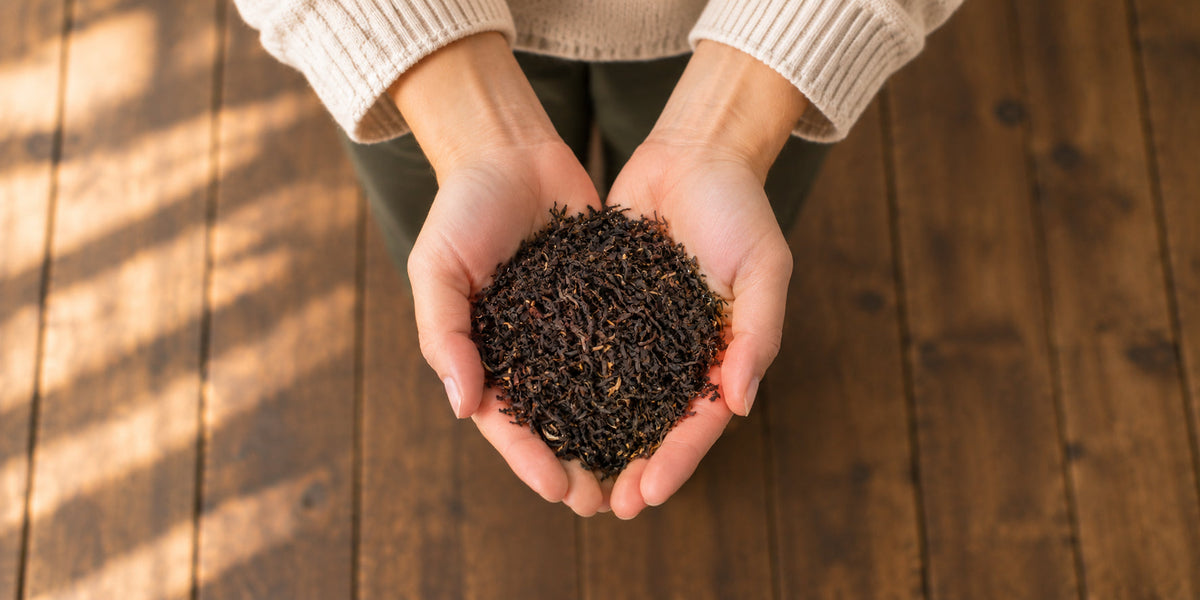
From a brisk morning cup of English Breakfast to a fragrant afternoon Earl Grey, black tea is the most popular tea style in the Western world. Yet, its rich history and intricate crafting process hold a few surprises that even lifelong tea drinkers rarely hear about.
Where Was Black Tea Invented? (A Happy Accident)
While green tea has been enjoyed in China for thousands of years, black tea is a relatively modern invention dating back to the mid-17th century in China’s Wuyi Mountains (Fujian province).
According to tea history, an approaching army forced local tea farmers to halt their usual green tea production. To prevent the freshly picked leaves from spoiling, the farmers sped up the drying process by smoking them over pinewood fires. During the long sea voyage to Europe, the leaves continued to oxidize, arriving in Dutch and British ports with a dark color and a rich, robust flavor that Europeans instantly fell in love with.
Fun Fact: In China, what we call "black tea" is actually called Red Tea (Hong Cha) because of the deep copper-red color of the brewed liquid. Western traders named it "black tea" based on the dark color of the dried leaves.
How Black Tea Is Made: The 4 Essential Steps
Like green and white tea, black tea comes from the Camellia sinensis plant. What gives it its bold body, higher caffeine content, and deep amber color is 100% full oxidation. At Ronnefeldt, we primarily source teas crafted using the traditional Orthodox method, which preserves whole, unbroken leaves for superior aroma:
-
Withering (12–18 Hours): Freshly plucked leaves are spread out to soften and lose moisture, making them pliable enough to roll without breaking.
-
Rolling: The leaves are gently twisted and rolled. This breaks down the leaf’s cell walls, releasing natural essential oils and enzymes.
-
Full Oxidation: The rolled leaves are laid out in a cool, humid room. As the enzymes react with oxygen, the leaves turn from bright green to a rich copper-brown and develop malty, fruity, or spicy notes.
-
Drying (Firing): Finally, hot air is used to halt oxidation and lock in the flavor, leaving the leaves crisp and dark.
Why Drink Black Tea?
Beyond its comforting taste, black tea offers a unique balance of energy and wellness:
-
Smooth Energy Boost: Containing roughly half the caffeine of coffee, black tea also features L-theanine — an amino acid that promotes calm focus without the sudden caffeine crash.
-
Rich in Antioxidants: Full oxidation creates unique polyphenols called theaflavins and thearubigins, which support heart health and healthy digestion.
-
Endless Versatility: From delicate, floral Darjeelings to malty Assam blends, black tea stands up beautifully to a splash of milk, lemon, or honey — and makes an exceptional iced tea.
Discover Ronnefeldt’s Signature Black Teas
Ready to taste the difference that whole-leaf craftsmanship makes? Explore our curated selection of classic and aromatic black teas:


