

The Tea Magazine

What Is Tea? Origins, Processing, and the Main Types Explained
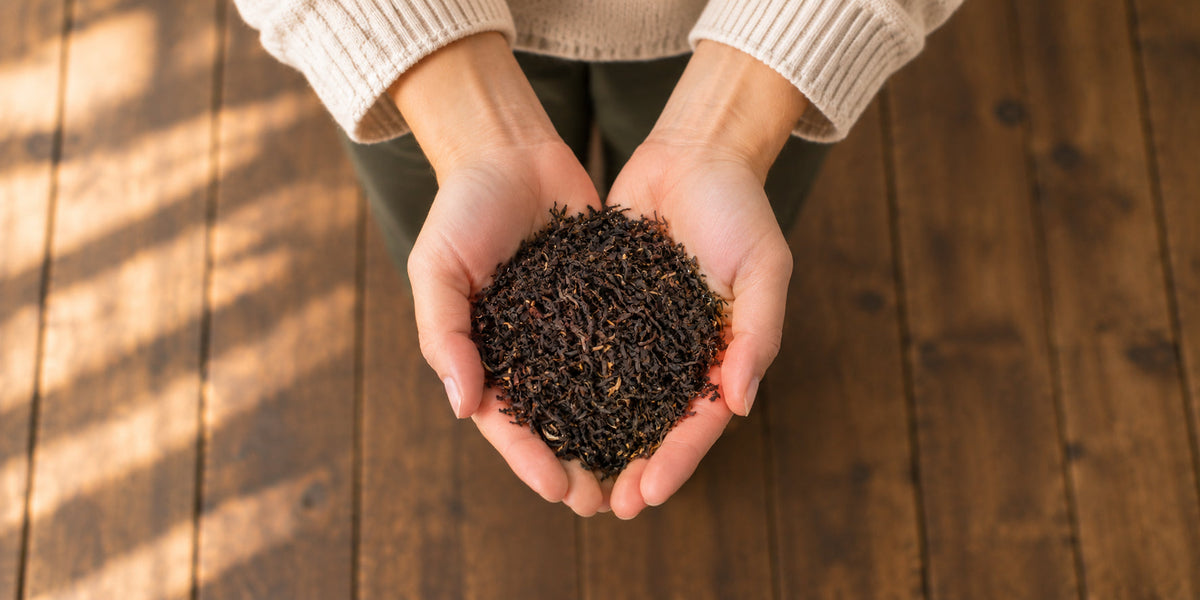
Every day, millions of people start their morning with a warm cup of tea. Yet, one of the most fascinating secrets in the tea world is something most tea drinkers don't know: black, green, white, and oolong tea all come from the exact same plant. Whether you are a casual sipper or looking to upgrade your daily ritual with luxury loose-leaf blends, understanding where tea comes from and how it is made will completely change the way you taste it. Where Did Tea Originate - and Why? Tea’s story begins nearly 5,000 years ago in ancient Southwest China. According to legend, Emperor Shen Nung was boiling water outdoors when a few wild leaves blew into his pot. Intrigued by the rich aroma, he took a sip and discovered a refreshing, revitalizing brew. Originally, tea wasn’t drunk just for pleasure. Buddhist monks and ancient healers prized it as a medicinal tonic to aid digestion, boost energy, and sharpen focus during long hours of meditation. Over centuries, trade routes carried these prized leaves across Asia, into Europe, and eventually to American shores. One Plant, Many Flavors: How Tea Is Made True tea comes from the leaves of an evergreen shrub called Camellia sinensis. What turns the exact same leaf into a delicate white tea or a bold breakfast blend comes down to one key factor: oxidation (how much the leaves are exposed to oxygen after picking).Here is how the four main types differ: White Tea: The least processed of all teas. Young buds and leaves are simply withered and dried naturally, preserving a light, sweet, and subtle flavor. Green Tea: Shortly after harvesting, the leaves are gently steamed or pan-fired to stop oxidation. This locks in their vibrant green color, fresh grassy notes, and high antioxidant levels. Oolong Tea: Partially oxidized, sitting right between green and black tea. Oolongs are rolled and twisted, creating complex aromas that range from floral and creamy to rich and toasty. Black Tea: Fully oxidized before drying. This process turns the leaves dark brown or black and develops deep, robust, malty flavors that pair wonderfully with milk or lemon. (Note: Popular favorites like Rooibos, Chamomile, and Peppermint are technically "herbal infusions" or tisanes, as they are made from herbs, flowers, and roots rather than the Camellia sinensis plant — making them naturally caffeine-free!) Experience True Tea Craftsmanship At Ronnefeldt, we have spent over 200 years sourcing the finest tea leaves from the world’s top gardens. Because every tea type offers a unique mood and flavor profile, the best way to find your favorite is to explore them side by side. Explore Bold Black Teas -> Discover Fresh Green Teas -> Browse Caffeine-Free Herbal & Fruit Infusions ->
Learn more
The role of tea
Tea is central to British culture and history, reflecting national traditions, daily rituals, and iconic tea varieties like English Breakfast and Earl Grey. From shaping social habits to boosting morale during wars, tea remains a cherished symbol of England and its heritage.
Learn more
Tea culture around the world
Tea connects cultures worldwide, from China and Japan to Britain, Russia, Morocco, and India. With unique rituals, flavors, and traditions, tea transcends borders, offering a global story of heritage, community, and comfort for tea lovers everywhere.
Learn more
Type of tea
Discover the diverse world of tea, from delicate white and green teas to robust black, oolong, pu-erh, and rare yellow teas, as well as flavorful herbal infusions. Each type has its own origin, processing method, and taste, offering a unique experience for tea lovers worldwide.
Learn more


