

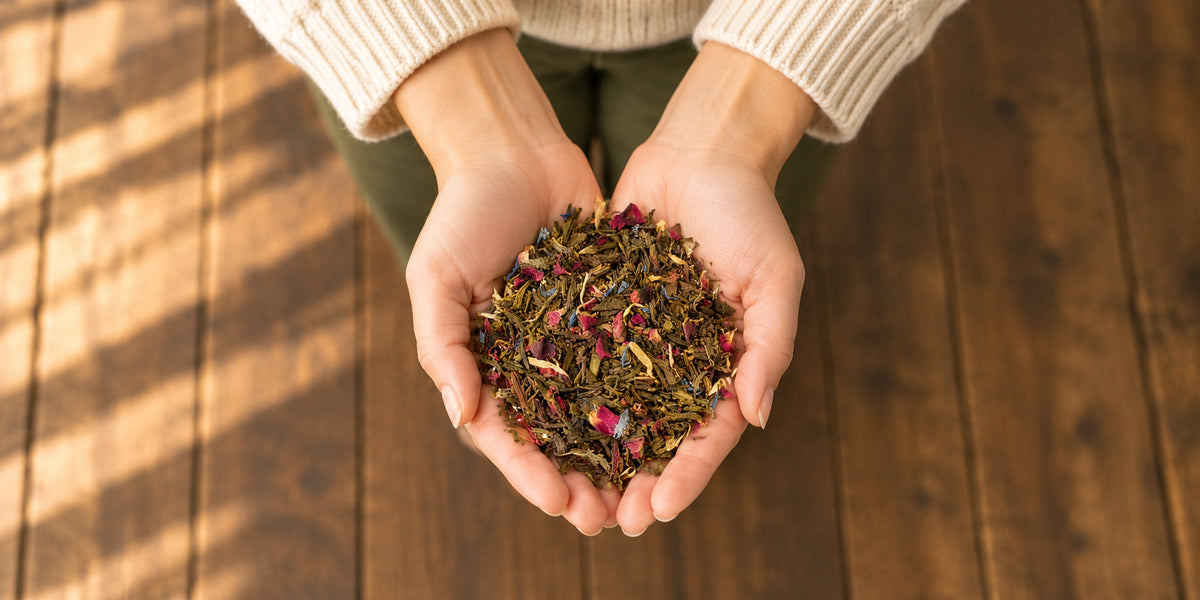
Crisp, refreshing, and celebrated worldwide for its wellness benefits, green tea is the oldest type of tea in human history. Yet, because it is minimally processed, green tea is also the most misunderstood — especially when it comes to how it is crafted and brewed.
Where Did Green Tea Begin?
Green tea was born in China nearly 5,000 years ago and remained the only style of tea in existence for centuries. Initially used by Buddhist monks to stay alert during long meditation sessions, green tea traveled to Japan in the 8th and 9th centuries, where it evolved into its own distinct art form — giving rise to iconic styles like Sencha and ceremonial Matcha.
How Green Tea Is Made: Stopping the Clock on Oxidation
Unlike black tea, which is fully oxidized to turn dark and malty, green tea is unoxidized. Tea masters work quickly after harvesting to preserve the leaf's natural green color, fresh grassy aroma, and high concentration of antioxidants (catechins and EGCG).
How they stop oxidation creates two completely different flavor worlds:
-
Pan-Firing (The Chinese Style): Fresh leaves are roasted in large woks or heated drums. This creates a warm, subtly nutty, toasted, and sweet flavor profile (such as classic Lung Ching or Gunpowder).
-
Steaming (The Japanese Style): Leaves are briefly exposed to hot steam for just seconds after picking. This locks in a vibrant emerald-green color and produces a fresh, vegetal, slightly marine (umami) taste (such as Sencha).
Why Drink Green Tea?
-
Calm, Focused Energy: Green tea contains less caffeine than black tea or coffee, paired with a high dose of L-theanine — creating steady, jitter-free mental clarity.
-
Antioxidant Powerhouse: Because the leaves are never oxidized, green tea retains maximum natural polyphenols that support immunity, metabolism, and heart health.
-
Pure Refreshment: Served hot or cold-brewed over ice, green tea cleanses the palate like no other beverage.
Pro Brewing Tip: Never Use Boiling Water!
If you have ever tasted bitter green tea, the water was likely too hot. Boiling water (212°F) scorches delicate green tea leaves and releases excess tannins.
-
Ideal Water Temperature: 165°F – 175°F (75°C – 80°C) — let boiled water cool for about 3–4 minutes before pouring.
-
Steeping Time: 2 to 3 minutes only.
Explore Ronnefeldt’s Finest Green Teas
From pure single-origin classics to our world-famous Morgentau® — a signature Sencha blend infused with mango, citrus, and flower petals — discover green tea crafted to perfection:


